



How to Handle Fake Customer Reviews and Protect Your Brand
A single review can shape the way potential customers perceive a business before they ever make contact. Online reputation is one of the most valuable assets a brand can build, and one of the most vulnerable. The rise of fake customer reviews has made it significantly harder for businesses to maintain an accurate and trustworthy online presence. Whether planted by a competitor or posted by a disgruntled individual with no real transaction history, these reviews can distort a brand's image in ways that take months to correct.
What Counts as a Fake Customer Review?
Not every negative review is fake, and not every five-star rating is genuine. A fake review is any review that misrepresents an actual customer experience, either by fabricating one entirely or by exaggerating details to mislead readers. They come in many forms and from many directions.
Fake reviews generally fall into two broad categories: artificially positive and maliciously negative. Positive fake reviews are often self-generated. Businesses (or their hired services) post glowing feedback to boost ratings. Negative fake reviews, on the other hand, tend to come from outside forces, including competitors attempting to undermine trust or individuals seeking to damage a brand's reputation without cause. Both types are deceptive, and both violate the terms of service of most major review platforms.
Other examples include reviews from people who never purchased the product or service, incentivized reviews that weren't properly disclosed, and review-swapping schemes between businesses. Even well-meaning reviews from friends or family members who haven't genuinely experienced the business qualify as fake. The common thread is misrepresentation. Any review that doesn't reflect an authentic, unbiased customer experience.
How to Spot Fake Customer Reviews
Identifying fake reviews takes a discerning eye, but there are consistent patterns that give them away. Once familiar with these signals, it becomes much easier to separate genuine feedback from manufactured noise.
Watch for these common red flags:
Vague or generic language. Fake reviews often lack specific details about the product, service, or experience. Phrases like "Great service!" or "Highly recommend!" without supporting context are worth scrutinizing.
Sudden spikes in reviews. A surge of reviews within a short window, especially positive ones, can indicate a coordinated effort to inflate ratings artificially.
Reviewer profiles with no history. New accounts with only one review, no profile photo, and no other activity are a common sign of a fake or throwaway account.
Extreme polarization. When reviews are almost exclusively five-star or one-star with little middle ground, it may suggest manipulation from both sides.
Repetitive phrasing across multiple reviews. If several reviews share similar sentence structures or talking points, they may have been written by the same source.
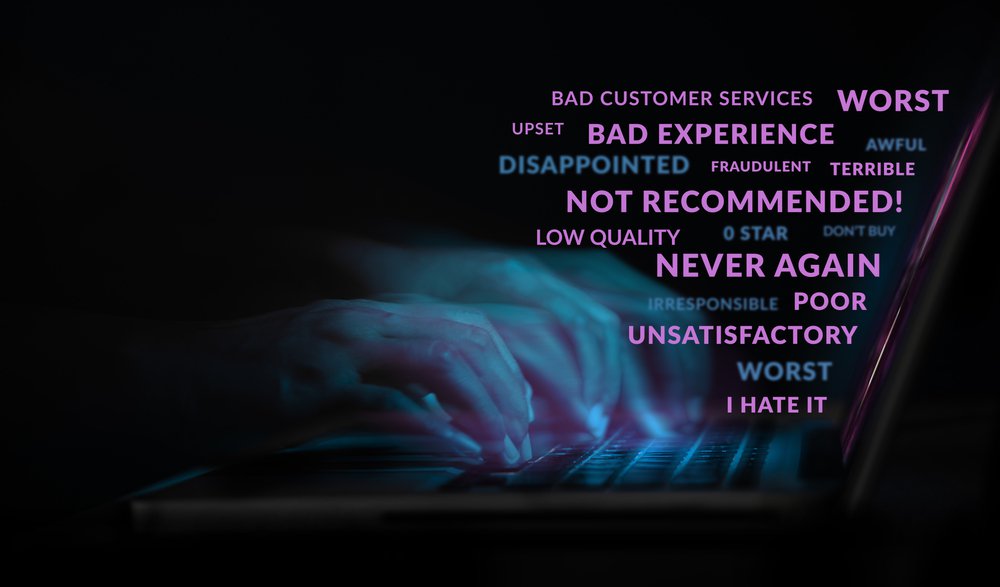
Cross-referencing reviewer profiles on the platform and looking at review dates can also reveal patterns that aren't immediately obvious. Some platforms have built-in fraud detection tools, but business owners shouldn't rely on those systems alone. Active monitoring is a critical first line of defense.
Why Fake Reviews Are Dangerous for Any Business
The consequences of fake reviews extend well beyond a dip in star ratings. For businesses that depend on word-of-mouth and online visibility, the damage can be both immediate and long-lasting. Consumer trust, once lost, is difficult to rebuild, and fake reviews erode that trust on multiple levels.
Negative fake reviews drive potential customers away before they even have a chance to experience what the business actually offers. Studies consistently show that consumers read reviews before making purchasing decisions, and a pattern of low ratings, even fraudulent ones, pushes buyers toward competitors. The lost revenue compounds over time, particularly when the fake reviews target search-visible platforms like Google or Yelp.
On the flip side, fake positive reviews can lead to legal and reputational consequences. Regulatory bodies in several countries have begun cracking down on deceptive review practices, and businesses caught participating in review manipulation can face fines, public scrutiny, and platform penalties. Even if unintentional, association with fake reviews can permanently tarnish a brand's credibility. For growing businesses that rely heavily on their reputation to attract clients and partnerships, this kind of exposure is a serious risk.
Tips for Dealing With Fake Customer Reviews
Handling fake reviews requires a calm, strategic approach. Reacting emotionally or ignoring the problem entirely are both mistakes that can amplify the damage. The goal is to protect the brand's integrity while demonstrating professionalism to anyone reading the exchange.
Report and Flag Reviews Through Official Channels
Every major review platform, Google, Yelp, Trustpilot, and others, has a process for reporting fraudulent reviews. When a review violates platform policies, flagging it formally gives the platform's moderation team the opportunity to investigate and potentially remove it. Document the review with screenshots and any supporting evidence before reporting, as this strengthens the case for removal.
Respond Thoughtfully, Not Defensively
While the platform review process unfolds, consider responding to the review publicly with a measured, professional tone. Acknowledge that the experience described doesn't match any record on file, and invite the reviewer to make direct contact to resolve any concerns. This response isn't just for the fake reviewer. It's for every other prospective customer reading the page. A thoughtful response signals accountability and transparency.
Encourage Genuine Reviews From Real Customers
One of the most effective long-term defenses against fake reviews is a steady stream of authentic, positive feedback. When real customers consistently share their experiences, isolated fake reviews carry far less weight. Build review-requesting into post-purchase or post-service workflows. A simple follow-up message asking satisfied customers to share their thoughts can make a significant difference over time.
Monitor Review Platforms Consistently
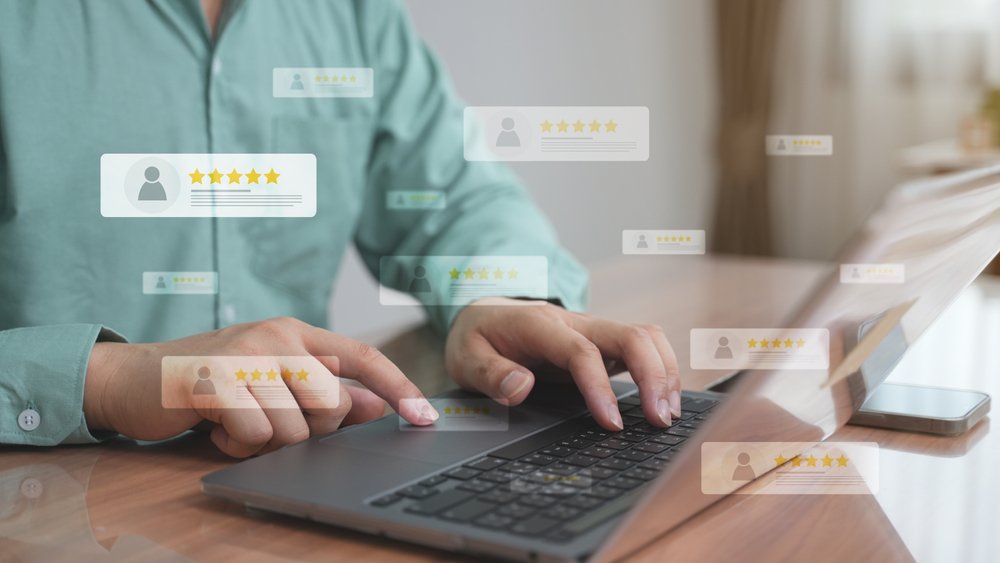
Reactive management isn't enough. Regular monitoring of all platforms where the business is listed makes it possible to catch fake reviews early, before they accumulate or go viral. Set up alerts where available, and establish a routine check-in for review platforms as part of the broader business operations cadence. The faster a fake review is identified, the faster it can be addressed.
Use Technology to Streamline Reputation Management
Manually tracking reviews across multiple platforms is time-consuming, especially for business owners already stretched across multiple responsibilities. Dedicated reputation management tools can centralize review monitoring, automate response prompts, and provide analytics that reveal patterns in customer sentiment. For businesses serious about protecting their brand, the right technology isn't a luxury, but a practical necessity.
Take Control of Your Brand's Reputation
Fake reviews are a real and growing threat to businesses operating in a review-driven marketplace. Staying ahead of them requires awareness, consistency, and the right tools working in tandem. Sporadic attention won't cut it. Reputation management needs to be built into the daily rhythm of running a business.
Pinnacle AI's CRM includes a powerful Reputation Management feature designed to give business owners full visibility and control over their online presence. From monitoring reviews across platforms to automating follow-up requests for genuine customer feedback, our tools are built to protect what businesses have worked hard to build. We help entrepreneurs automate the tasks that eat up their time, including reputation management, so they can stay focused on growth and the work that truly matters.
Ready to put a stronger system in place? Schedule a call with our team and discover how Pinnacle AI can help safeguard your brand's reputation while giving back the time to scale.